

Software
What should a $10M roofing company run its business on?
If you run a roofing business from $3M to $50M and up, the fix is not another app. It is one place where the lead, the estimate, the job, and the money live together.
Read the post →Blog
Notes on the models, the software, and the jobs we run.
Latest
If you run a roofing business from $3M to $50M and up, the fix is not another app. It is one place where the lead, the estimate, the job, and the money live together.
Read the post →All posts

Most contractor software is a tool you have to ask. Bench runs on a team of agents that brings you the decision, and a person still decides.

A busy roofing business that keeps less than it should is not bleeding from one big hole. The money leaks through pinholes in the handoffs. Here is where.

Your roofing estimate turnaround time drags because a handoff has nobody watching it, not because one person is slow. Here is what it costs and how to see it.

The real cost of your contractor software stack is not the invoices. It is the seat you pay twice, the report rebuilt by hand, the decision that lands late.

You hired well and still own every handoff. Here is the difference between owning a business and owning a job, and what finally gets you out of the middle.

A roofing inspection report closes when the homeowner can hold it and understand it: what is wrong, what it takes to fix, and what it costs, in one piece.

Everyone is selling contractors AI. Some work should stay human no matter how good the tool. Here is what to keep, what to hand off, and how to draw the line.
Your business already holds the answer to where the money goes. It sits in your own systems, unsorted. Here is what turns up when somebody finally looks at it.
Someone on your team can build an AI agent in a weekend. Here is what a homemade agent is missing for a contracting company, and why your data must stay yours.

The useful question is: What decisions should this AI be able to make, under what conditions, and who owns the result?
AI companies sell agents now. What one does for your business depends on the setup around it. Here is what that setup holds and how contractors use it.
Leaving the phone field blank broke our booking form. We fixed the wrong thing seven times before we looked in the right place. Here's what changed.
We shipped a Light mode nobody could read while every test passed. Now every screen is checked as a picture, in both themes, in Safari and Chrome.
Every new screen goes to a practice company first. Real Bench workspace, nobody's real money. Your account sees the change after it's been through there.
AI models build most of Bench. The model that writes a feature never gets to approve it. A separate model tries to break it first.
When we teach an agent how your company does a job, it gets written down once. Every agent reads the same page. Change the page and they all change.
An AI model can only hold so much at once. Most tools drop the oldest messages. On a Bench harness they get filed and summarized, never deleted.
Fixing the bug on your screen is half the job. We name what kind of mistake it was and add a check so that whole kind can't come back.
Fill out the survey and you get a map of how your company runs today, in your words. Then we either book a call or you log in at $249 a month.
Pay the Platform year up front and Bench locks rates on everything you buy and on your expansion for two years. It binds Bench, not you.
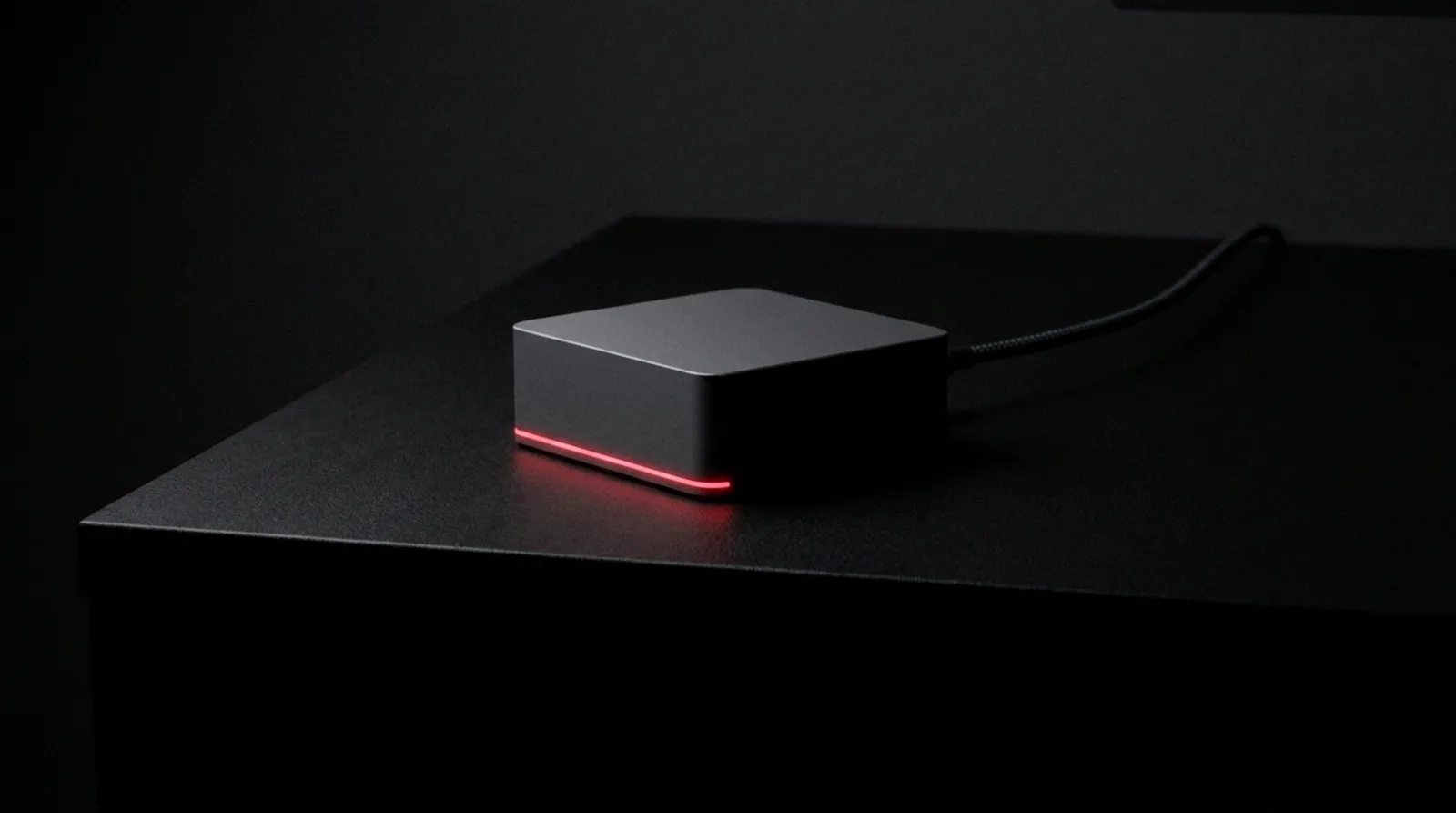
Get the RAM first.
You buy one Mac and it stays on in your office. For most contractors that's a Mac mini with 48GB of RAM. Get the RAM first. The chip matters less.
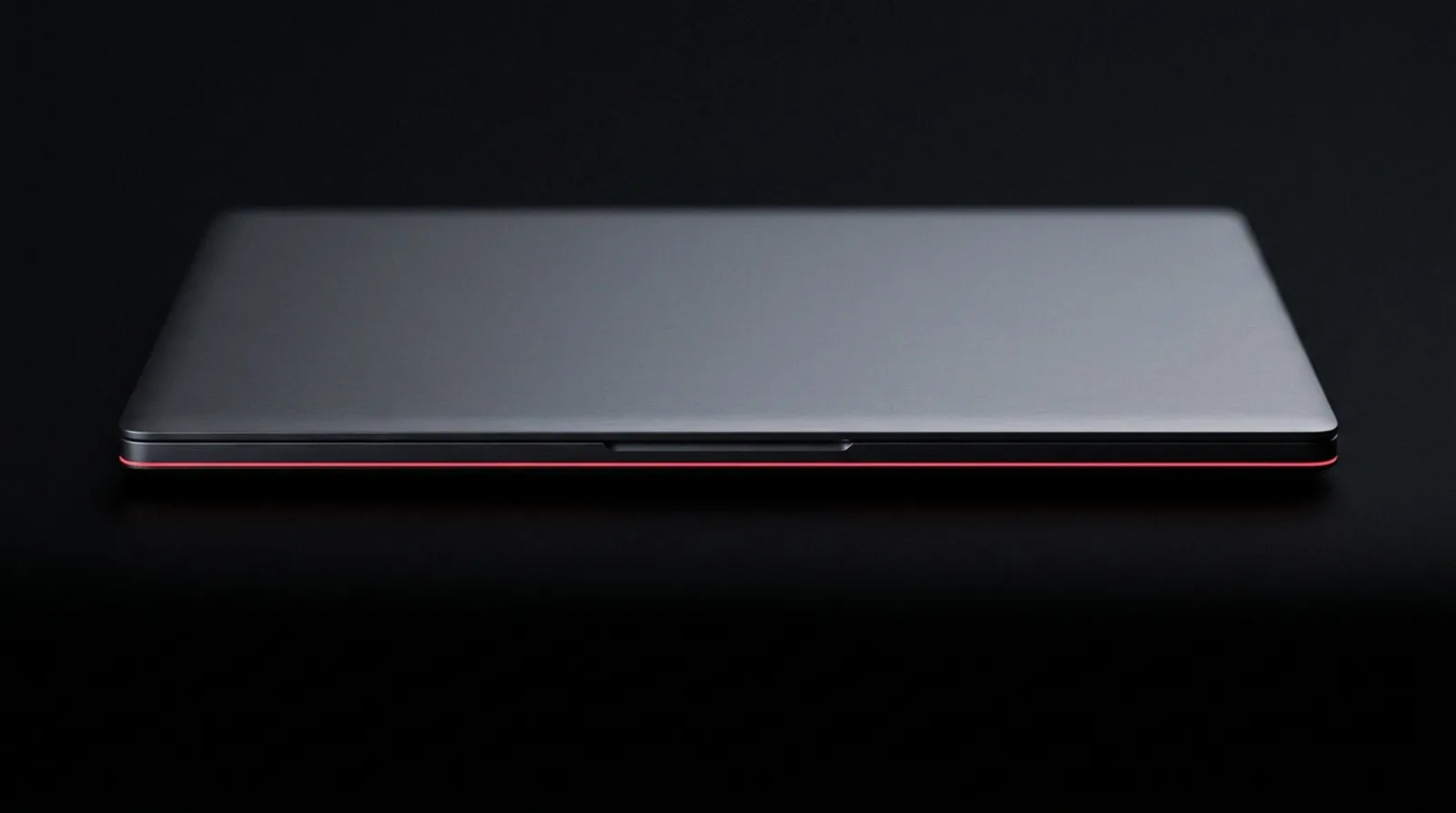
Allowed to close its lid.
The agents live on the office Mac that never sleeps. A MacBook Air can help as a second machine, and it's allowed to close its lid.
The math on every line.
Hand the agent a measurement report and get back a priced estimate with the math on every line. A Kestrel credit is a dollar. Unused credits roll over.
Your CRM stays.
Bench agents run next to AccuLynx and Roofr, not instead of them. Your CRM keeps the record. The agents keep the file moving.
Crew means the install crew.
In Bench, the people on the roof are the install crew. Agents are agents. The office is your people. Crew Dispatch keeps its name because it sends the install crew.
Track the file, not the roof.
For companies that run claims for contractors: the board tracks the file, not the roof. Same four hand-offs, your client is the contractor company.

Your person makes the call.
The agent gathers photos, scope, estimate, and supplement history into one packet and keeps it current. The carrier call still belongs to your person.
Two jobs you already run.
The first call is about your business, not ours. We find two jobs you already run every week and show those two on screen next time.

A page first.
Anything we build for you shows up as a web page first, so you can read it and change it. The PDF comes after you say it's done.
Three models, one report.
Bench reads one Search Console property and returns clicks, impressions, CTR, and position. ChatGPT, Claude, and Gemini explain the rows; no model crawls or edits your site.
The board uses your word.
Your board uses your word: job, claim, or deal. Underneath, Bench keeps one record and four hand-offs, so a retail reroof and a claim run on one board.
Same board. More steps.
An insurance job is the same file on the same board as a retail job. It just has more steps where the carrier gets involved. No second CRM for claims.

A person runs the inspection.
A person runs the inspection, presents, and closes. Agents run the uploads, the carrier call, and the status nobody remembers to update.
A harness gets the job done.
ChatGPT is a visit. A Bench agent lives on your Mac. The harness is the setup on that Mac so work still runs when you close the laptop.
The app, and the Mac.
Bench Software is the browser app. The harness is how agents run on a Mac you own. The first always-on Mac is included with the first agent. Extra machines add compute, not seats.

They don't work as one.
Contractor tools already integrate. The problem is they do not run as one system. Bench keeps AccuLynx and the rest, and puts the file in one place.

After the Mac is on.
Bench Implementation is the onboarding you buy with the plan. Harness setup is a separate $525 charge. Single maps the board. Guided closes one real deal. Intensive adds named people and one recurring job.

The job picks the model.
Bench starts with Grok because it is fast. Opus is the model for a normal Tuesday. Fable builds a system that keeps doing the work, not one quick job.
Bench newsletter
For contractors. Opt in for future Bench emails. There is no sending schedule yet.
Next step
You approve everything. Your data is yours — even if you leave. $249/mo, unlimited users.